
Our Mission
Empowering families with the knowledge and support needed to confidently navigate the special education process and advocate for their child’s success.
.
Why Advocacy Matters
The special education process can be complex and overwhelming for many families. Without clear guidance about parent rights, evaluations, services, and school procedures, it can be difficult to navigate.
Advocacy helps bridge the gap between families and school systems by providing guidance, preparation, and support so parents can participate confidently in educational decisions.
Through Bright Path, families receive support understanding the special education process, reviewing school documentation, preparing for and attending meetings, interpreting student data, and strengthening supports such as Functional Behavior Assessments (FBA) and Behavior Intervention Plans (BIP).
At its core, advocacy empowers families and helps ensure students receive the supports they need to access their education.
Advocacy Creates Broader Impact
Advocacy not only supports individual students and families—it can also create positive ripple effects within educational systems. When families are informed and actively engaged, it encourages clearer communication, stronger collaboration, and decision-making grounded in data and student needs.
Over time, informed advocacy helps promote greater transparency and stronger practices that can benefit many students beyond a single case.
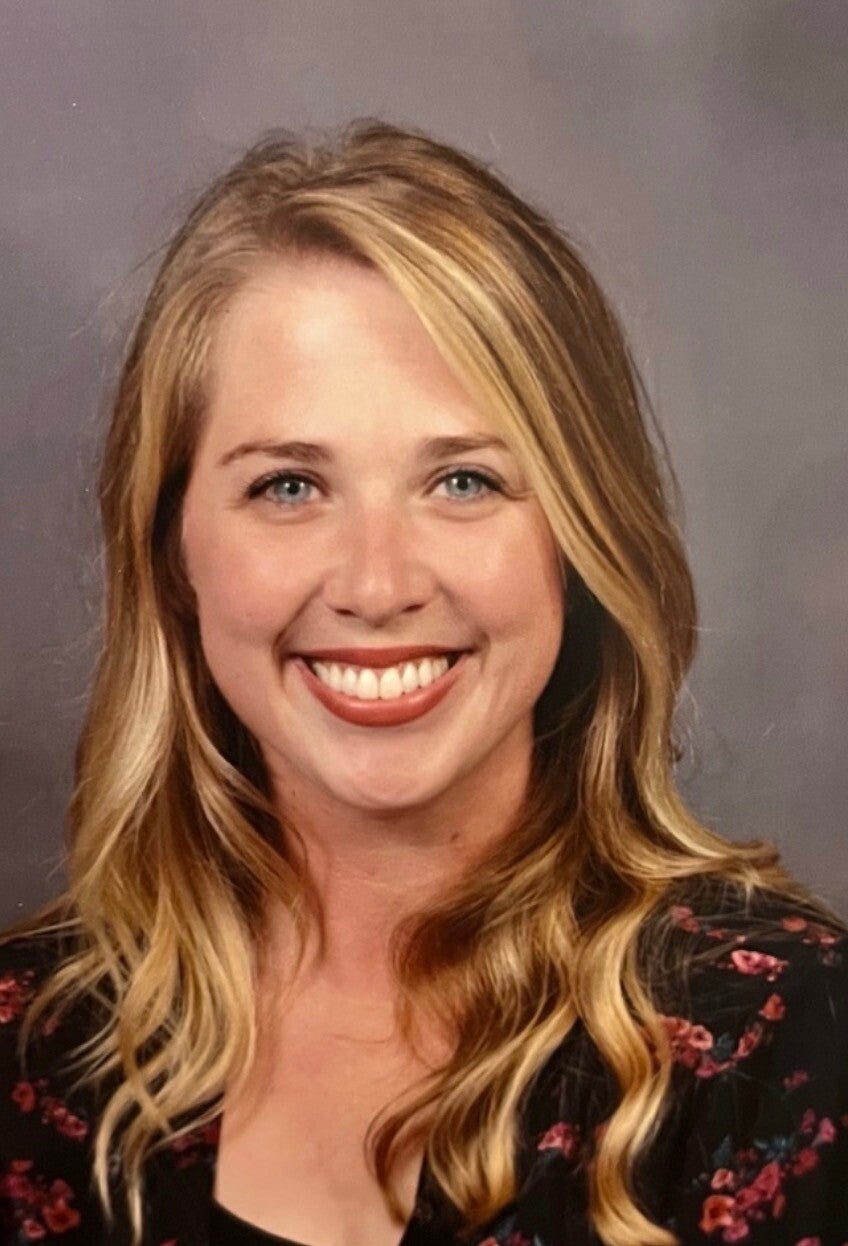
About Me
My name is Lyndon Parker, a mother of three, Oklahoma Certified Special Education Teacher, and Special Education Advocate with experience supporting students across multiple educational settings. My background includes work in resource classrooms, developmental delay Pre-K programs, and functional special education settings, supporting students with a wide range of learning, communication, and behavioral needs.
During my time in the public school system, I had the opportunity to support students from early childhood through upper elementary, collaborating with multidisciplinary teams to develop individualized supports that promote student success. I have also helped families navigate concerns and advocacy needs extending into later grade levels.
Through this experience, I saw firsthand how complex the special education process can feel for families. Parents want to advocate for their children but often face unfamiliar procedures, timelines, and documentation requirements.
I also witnessed how powerful collaboration between families and school teams can be when everyone has a clear understanding of a student’s needs and the supports available. These experiences inspired my commitment to helping families navigate the special education process with greater clarity and confidence.
No parent should have to navigate that process alone.